
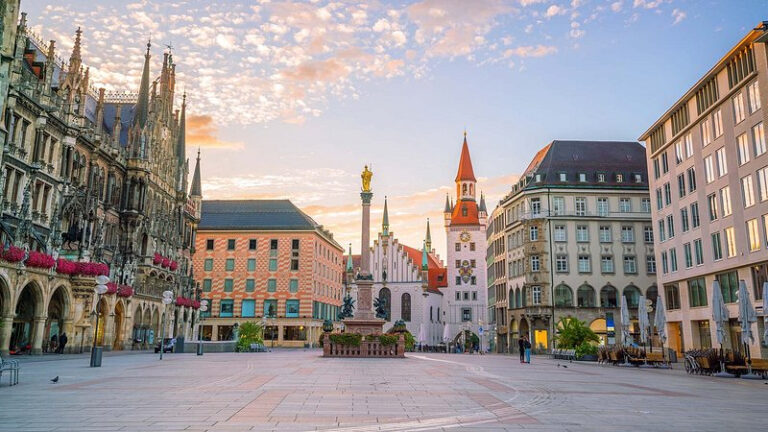
Munich can already feel like a full trip by itself. You get beer gardens, museums, polished neighborhoods, Alpine day trips, and strong business energy. Still, if you are flying into Germany, it makes sense to build a wider itinerary around it. The trick is not to add random famous cities.
The best German cities to visit on the same trip as Munich should fit your time, route, budget, and travel style. Some work as day trips, while others deserve a second base.
How To Build A Smart Germany Itinerary Around Munich
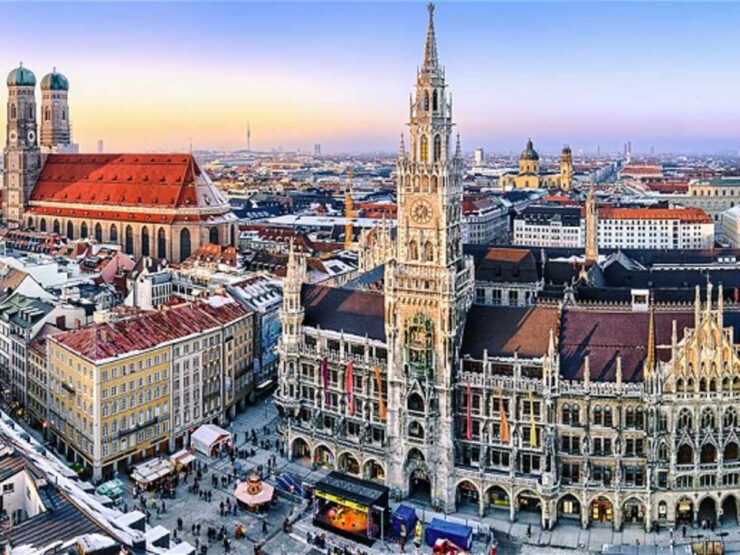
Munich works well as a first stop because it has strong rail links, a major airport, and premium services for business travelers, couples, and first-time visitors. ICE trains connect major German cities, with high-speed services reaching up to 300 km/h.
For a polished Munich evening after meetings or formal dinners, some travelers also look for reputable local luxury companion services such as Louisa Escort, which is positioned around high-class arrangements in Munich.
Keep the wider plan simple: start with Munich, add one close city, then choose one bigger contrast city if you have extra days.
Best German Cities To Add After Munich
Think in layers. First, choose a nearby city that gives you a different flavor of Bavaria. Then, if your schedule allows, add one city that changes the mood completely, such as Berlin, Hamburg, Cologne, Dresden, or Leipzig.
Germany is not a one-note destination. Its cities can feel royal, industrial, creative, maritime, medieval, or sharply modern, sometimes within the same week. You are not just collecting places on a map.
You are building a trip where each stop adds a new angle to Munich without making the itinerary feel busy.
Nuremberg: The Easiest Cultural Add-On From Munich
If you only add one city near Munich, make it Nuremberg. The train ride is roughly around 1 hour and 15 minutes on many services, which makes it realistic as a day trip or relaxed overnight stop.
Nuremberg gives you medieval streets, the Imperial Castle, traditional Franconian food, and a heavier but important layer of modern history.
The city tourism office highlights the Imperial Castle and the Memorium Nuremberg Trials, while the Documentation Center explains the Nazi Party Rallies held there from 1933 to 1938. It is not just pretty Germany. It helps visitors understand Germany with more depth.
Good for:
- First-time visitors
- History-focused travelers
- Easy train planning
Stuttgart: The Best Choice For Cars, Design, And Business Energy
Stuttgart is a smart pick if your Munich trip has a business, engineering, automotive, or design angle. It is less romantic than Nuremberg, but that is why it works. The city feels practical, wealthy, and quietly innovative.
Fast Munich to Stuttgart trains can take just under two hours, so it works as an overnight trip without eating too much time. The big draw is obvious: the Mercedes-Benz Museum, which shares visitor information through the official Mercedes-Benz site.
Add Porsche, vineyards, modern architecture, and corporate atmosphere, and Stuttgart becomes useful for tech-minded travelers.
Berlin: The Best Big-City Contrast After Munich
Berlin is not close in spirit to Munich, and that is the whole point. Munich is polished, traditional, and orderly. Berlin is experimental, layered, loud, creative, and sometimes messy in the best possible way.
VisitBerlin points visitors toward museums, sights, cafés, concerts, shows, shopping, and its broad cultural mix. If your trip is aimed at founders, investors, digital workers, or creative teams, Berlin gives the route a sharper urban edge.
It is better as a two or three-night extension than a rushed stop. Go for the Berlin Wall Memorial, Museum Island, food halls, galleries, and startup neighborhoods.
Hamburg: The Best Northern Extension For A Completely Different Mood
Hamburg is the city to add when you want Germany to stop looking Alpine and start feeling maritime. It is farther from Munich, with the fastest trains taking about six hours, so it suits a longer trip.
But the reward is real. Hamburg’s official tourism site highlights the harbor, Alster Lake, Town Hall, Speicherstadt, and Elbphilharmonie, while UNESCO describes Speicherstadt and the Kontorhaus district as central port-city areas with historic warehouse architecture.
The vibe is elegant but relaxed, with water everywhere. If Munich feels like suits, beer gardens, and mountains, Hamburg feels like bridges, brick warehouses, seafood, and northern air.
Dresden And Leipzig: The Best Two-City Culture Detour
Dresden and Leipzig work nicely as a paired cultural detour, especially if you are heading toward Berlin. Dresden is the more visually dramatic city, with baroque architecture, riverfront views, the Frauenkirche, and the Zwinger.
Germany Travel describes the Frauenkirche as a symbol of reconciliation, while the Dresden State Art Collections calls the Zwinger one of Germany’s important Baroque architectural ensembles.
Leipzig feels younger, more musical, and more creative. The city highlights its Bach heritage through the Bach Archives, Bach Museum, St. Thomas’ Boys Choir, and Gewandhaus Orchestra. Together, they add art, music, architecture, and a softer eastern German rhythm.
Cologne: The Best Rhine Stop If You Want A Lively Finish
Cologne is not the nearest add-on, but it is rewarding if your route heads west or your flight leaves from Frankfurt or Düsseldorf. The city is easygoing, social, and very different from Munich.
Germany Travel calls Cologne Cathedral a UNESCO World Heritage Site and a major landmark on the Rhine, while Cologne’s tourism office points visitors toward museums, Kölsch beer, events, and the historic Old Town.
This is a good final stop because it does not feel overly serious. Walk along the Rhine, see the cathedral, sit in a traditional brewery, and let the trip loosen up before heading home.
Quick Pairing Guide For Your Munich-Based Germany Trip
Use this guide to avoid overbuilding the itinerary. The best German cities to visit on the same trip as Munich depend less on fame and more on flow.
A tight four-day trip should not include Hamburg. A ten-day trip should not stop at only Nuremberg. Match the city to your real schedule.
| City | Best for | Trip style |
| Nuremberg | History and easy logistics | Day trip or one night |
| Stuttgart | Cars, design, business | One night |
| Berlin | Culture, startups, nightlife | Two or three nights |
| Hamburg | Waterfront atmosphere | Two nights minimum |
| Dresden and Leipzig | Art, music, architecture | Two-city detour |
| Cologne | Rhine energy and cathedral views | Western finish |
This keeps the route practical, which makes the trip feel enjoyable rather than packed.
Final Take
A good Munich travel guide should not treat the city like an isolated stop. Munich is a strong base, but Germany becomes more interesting when you add contrast carefully.
Nuremberg is the easiest win.
Stuttgart fits business and automotive travelers. Berlin brings scale and creative energy.
Hamburg changes the mood with water and northern style.
Dresden and Leipzig add culture with depth, while Cologne gives the trip a relaxed Rhine finish.
Pick two or three, not all of them, and your Germany city break will feel more personal, balanced, and memorable.